
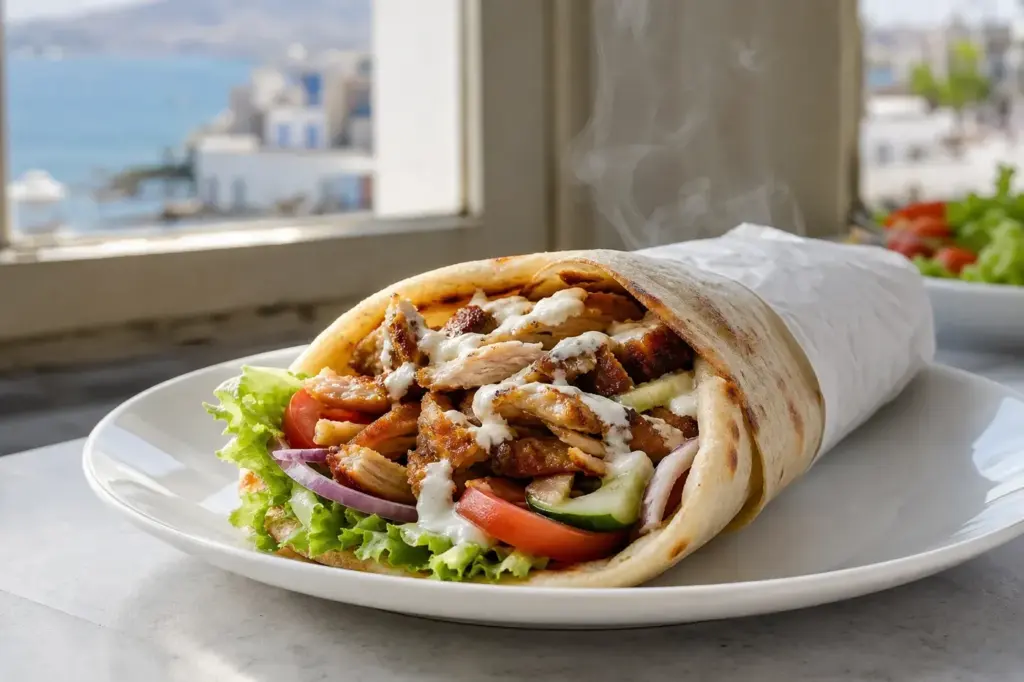
Shawarma is no longer just a street food found by Moscow metro stations and train terminals—it has become a fashionable menu item in restaurants and a beloved casual meal throughout the city. If you want to recreate this spiced, tender-meat wrap at home, this guide shows you how to prepare authentic shawarma with simple techniques, no vertical spit required.
You’ll learn the essential spice blend, marinating method, and assembly. The recommended approach uses chicken or beef with a yogurt-oil marinade, pan-seared after several hours of seasoning. Total time is under two hours of active cooking, plus marinating.
Quick answer: Marinate thin slices of chicken or beef in a blend of cumin, coriander, paprika, cinnamon, cardamom, and garlic for 2–4 hours (or overnight). Sear on a hot skillet until cooked through and lightly caramelized. Warm flatbread or lavash, fill with meat, fresh vegetables, and sauce. Total time: 2–3 hours including marinating. Cost is moderate.
At a Glance
| Type | Street food & snacks |
|---|---|
| Local name | Шаурма |
| Origin | Shawarma originated in the Ottoman Empire in the 19th century in what is now modern-day Turkey, where cooks first stacked seasoned meat on a vertical rotating spit, and developed into the dish known today in the Levant region of the Middle East. The word shawarma is an Arabic adaptation of the Turkish word çevirme, which translates to "turning," referring to the slow-spinning vertical rotisserie that defines how it is cooked. |
| Servings | 2–4 servings |
| Total time | 2–3 hours (including 2–4 hours marinating) |
| Difficulty | Easy |
History and Story of Shawarma (Шаурма)
During the 18th and 19th centuries, Ottoman chefs pioneered the concept of vertically roasting meat by stacking marinated slices of lamb, beef, or chicken on a skewer and cooking it slowly over an open flame. The rotisserie allowed the outer layers of meat to crisp up while retaining their juices, creating a delectable texture. As the Ottoman Empire expanded, this cooking method spread into the Levant region, including Lebanon, Syria, Jordan, and Palestine, where shawarma began to evolve into the form we recognize today. The Middle Eastern adaptation introduced stronger flavours and more defined seasoning, with marinades using ingredients such as garlic, lemon, and spices to build depth before the meat was even cooked. In Moscow, street food which used to be sold in stalls at train stations and by the subway, shawarma has turned into a fashionable dish, which is often now included in many restaurant menus.
Ingredients
- 400–500 g boneless chicken thighs or beef sirloin, thinly sliced
- 3 tbsp olive oil
- 2 tbsp fresh lemon juice
- 3 cloves garlic, minced
- 1 tsp ground cumin
- 1 tsp ground coriander
- 1 tsp smoked paprika
- ½ tsp ground cardamom
- ¼ tsp ground cinnamon
- ¼ tsp ground cloves
- Salt and pepper to taste
- 2–3 tbsp plain yogurt (optional but traditional)
- Flatbread or lavash
- Tomatoes, cucumbers, lettuce, or cabbage
- Garlic sauce or tahini
How Shawarma (Шаурма) Is Made
Step 1: Prepare the spice blend
In a small bowl, combine ground cumin, coriander, paprika, cardamom, cinnamon, and cloves. Mix well so the spices distribute evenly. This aromatic base is what gives shawarma its distinctive warm, complex flavour.
Tip: Measure spices carefully; the balance between warm spices (cinnamon, cardamom) and savoury spices (cumin, coriander) is essential.
Step 2: Make the marinade
In a large bowl, whisk together olive oil, fresh lemon juice, minced garlic, yogurt if using, and the spice blend. Add salt and pepper to taste. The acidic lemon juice and yogurt help tenderise the meat and carry the spices deep into each slice.
Tip: If you prefer a lighter marinade without yogurt, use equal parts oil and lemon juice (about 2 tbsp each).
Step 3: Marinate the meat
Slice the chicken or beef very thinly (about ¼ inch). Add the sliced meat to the marinade and toss thoroughly, ensuring each piece is well coated. Cover and refrigerate for at least 2 hours; overnight is ideal for deeper flavour.
Tip: Have your butcher slice the meat thinly to save time and ensure even cooking.
Step 4: Heat the skillet
Place a large skillet or griddle over medium-high heat. Let it become very hot—you want a slight char on the meat edges. If you have multiple batches, work in stages so the meat is not crowded in the pan.
Tip: A well-seasoned cast-iron skillet produces the best caramelisation and mimics the crisping of a vertical spit.
Step 5: Cook the meat
Working in batches if necessary, add the marinated meat slices to the hot skillet. Spread them in a single layer and let them cook undisturbed for 2–3 minutes to develop a light crust. Stir and continue cooking for another 2–3 minutes until the meat is cooked through and lightly caramelised at the edges. Remove and set aside.
Tip: If meat releases liquid, let it evaporate before flipping; this concentrates the flavour and improves browning.
Step 6: Warm the bread
Heat flatbread or lavash gently in a separate pan or directly over a low flame for just a few seconds per side. Warm bread is pliable and holds fillings better than cold bread.
Tip: If you do not have traditional lavash or pita, thin flour tortillas work in a pinch.
Step 7: Assemble and serve
Lay the warm bread flat. Spread a thin layer of garlic sauce, tahini, or yogurt down the centre. Add a handful of cooked meat, then pile on fresh tomatoes, cucumbers, lettuce, or shredded cabbage. Roll tightly, tucking in the sides so the filling does not spill out. Serve immediately while warm.
Tip: Serve on a platter drizzled with extra sauce for those who prefer more moisture, or wrap tightly in paper for a portable meal.
Variants
- Chicken shawarma with garlic sauce and fresh herbs—the most common version in Moscow, mild and tender.
- Lamb shawarma, traditional to the Levant, richer in flavour and slightly gamey, often paired with tahini.
- Beef shawarma, marinated in vinegar and spices, popular in Eastern European and Russian versions.
- Cheese shawarma, a Moscow innovation adding melted cheese or cream cheese inside the wrap.
- Vegetarian shawarma with falafel, hummus, or grilled vegetables, a lighter meat-free alternative.
- Spicy shawarma with hot sauce, chilli peppers, or extra cayenne for those who prefer heat.
Common Mistakes to Avoid
- Cutting the meat too thick: Shawarma requires thin slices so it cooks quickly and absorbs the marinade. Thick chunks become tough and do not achieve the characteristic tender texture.
- Skipping the marinade: The spice blend must have time to penetrate the meat. Cooking unmarinated meat creates a bland, flat-tasting result. Do not rush this step.
- Crowding the skillet: If you pile all the meat into one pan, it steams instead of sears. Work in smaller batches to get the caramelised, slightly crispy edges that distinguish good shawarma.
- Using dry meat: Pat the meat dry before putting it in the skillet. Excess surface moisture prevents browning and creates steam instead of a crust.
- Filling the bread too full: Overstuffed shawarma falls apart when you bite into it. Use moderate amounts of each filling ingredient so the wrap holds together.
- Neglecting the garlic sauce: Plain meat and vegetables taste flat. A generous layer of garlic sauce, tahini, or yogurt-based sauce ties all the flavours together.
How to Order and Eat It
Shawarma is now a staple street food in Moscow, with juicy meat, vegetables, and sauce wrapped in flatbread. Hold the wrapped shawarma with both hands and bite into the seam so the bread tears away from the filling gradually, revealing layers of warm meat, crisp vegetables, and sauce. If wrapped loosely and served on a platter, eat with a fork and knife. You can try it in the classic version with lamb or chicken, with onions, tomatoes, cucumbers, lettuce or cabbage and, in less familiar variations, with pomegranate seeds, with mozzarella, hummus, with mackerel or without meat at all, for example, with falafel.
To order: Одну шаурму с курицей, пожалуйста. [Odnu shaurmu s kuritsey, pozhaluysta.] (One chicken shawarma, please.)
Moscow Vibes Tips
- Fresh lemon juice makes a dramatic difference. Bottled lemon juice tastes flat; squeeze it fresh just before marinating for bright, lively flavour.
- If you have time, marinate overnight in the refrigerator. This rests the meat and allows the spices to fully infuse, producing deeper flavour than a quick 2-hour marinade.
- Toast your whole spices (cumin seeds, coriander seeds, cardamom pods) and grind them fresh if you have the time. Ground spices lose their potency after a few months; freshly ground spices are more aromatic and vibrant.
- Make a batch of garlic sauce ahead: blend minced garlic with mayonnaise or Greek yogurt, lemon juice, and salt. This keeps for several days and transforms the entire dish.
- Do not cook the entire batch of meat at once. A crowded pan produces steam, not a crust. Work in two or three batches and keep the cooked meat warm in a low oven while you finish the rest.
Where to Find Shawarma (Шаурма) in Moscow
Related guides
 10 Best Places to Try Russian Food in Moscow: Classics and Canteens
Main image: AI-generated illustration. It may not show the place exactly as it looks.
 10 Best Food Markets and Food Halls in Moscow: Where to Eat Indoors
Main image: AI-generated illustration. It may not show the place exactly as it looks.
 10 Best Things to Do in Moscow on a Rainy Day: Indoor Picks and Tips
Main image: AI-generated illustration. It may not show the place exactly as it looks.
 Moscow Food Tour: Russian Cuisine and Local Specialties: One-Day Route
Main image: AI-generated illustration. It may not show the place exactly as it looks.
Browse more: All Food & Drink · All Other
FAQ
Is shawarma traditionally made with chicken or lamb?
The main ingredients traditionally include meat (traditionally lamb or mutton, but also chicken, turkey, beef, or veal). Both are authentic; chicken is milder and more affordable, while lamb is richer and more traditional to the original Middle Eastern recipe.
Can I make shawarma without a vertical rotisserie spit?
Yes. You can make it at home from scratch with shredded pieces of tender meat, the sauce, the pickles and herbs, and you can do it all without a grilling tower or spit. A hot skillet produces a similar crust and caramelisation.
How long can I marinate the meat?
The minimum is 2 hours for flavour to develop. Overnight (8–12 hours) is ideal and produces more tender, deeply seasoned meat. Beyond 24 hours, the acid from the lemon juice can begin to break down the meat texture, so do not exceed 24 hours.
What is the difference between shawarma and döner kebab?
Shawarma is believed to have been derived from Turkish doner kebab, a similar preparation made of meat cooked on a rotating spit, with the concept brought to the Levant where it began to taste like it did in the native region and came to be referred to as shawarma. The spicing and accompaniments differ slightly by region.
What is typically in garlic sauce for shawarma?
Garlic sauce is usually a blend of minced fresh garlic, mayonnaise or Greek yogurt, fresh lemon juice, and salt. Some versions add a touch of olive oil. It is creamy, pungent, and acts as the binding condiment for all the fillings.
Can I freeze leftover cooked shawarma meat?
Yes. Store cooled cooked meat in an airtight container in the freezer for up to 3 months. Thaw in the refrigerator and reheat gently in a skillet over low heat, adding a splash of water or lemon juice to prevent drying out.
What vegetables work best in shawarma?
Tomatoes, cucumbers, lettuce, and shredded cabbage are the traditional choices. Some versions include pickled onions, fresh parsley, or cilantro. Avoid soft vegetables like cooked peppers; stick to fresh, crisp vegetables that provide texture contrast to the warm meat.
Does shawarma typically contain pork?
No, shawarma is traditionally made with lamb, beef, or chicken. It is often prepared according to halal principles. Always check the ingredient list or ask the vendor if you have dietary restrictions.
Discover More of Moscow with Our Travel Tips
Get practical Moscow travel tips, new destination guides and useful updates on attractions, opening hours and prices. Plan your visit with clear, helpful information delivered to your inbox.
Moscow Vibes is a one-person project. A coffee keeps it going
Looking for more on this? Blini, Vladivostok: How to Make Russian Yeast Pancakes (Russia Vibes)

Take this guide with you
Get a free PDF of this guide to print or read offline: key facts, tips and a map link on a few clean pages.
Report an issue on this page
Paying for your trip: please read
Payments and bookings between Russia and many other countries are currently restricted. In practice, cards issued in the EU, the UK, the US and several other countries often cannot be used in Russia, Russian cards usually cannot be used abroad, and some booking platforms, airlines and payment providers limit or pause their services for Russia. The situation changes frequently.
We do not give legal or financial advice, and this site does not encourage anyone to break any rule that applies to them. Whatever you plan, you are responsible for following the laws and regulations that apply to you, including those of your country of residence and citizenship.
Many travelers still organise their stay without problems. It is worth asking your bank or payment provider what is currently possible, contacting hotels, tour operators and carriers directly about the payment methods they accept, and checking which services are open to customers from your country. Clarify payment, cancellation and refund terms before you commit to a booking, and keep your plans flexible.
Partner links on this site may not be available in every country, and prices, availability and rules in our guides can differ from what you see when you book.
How we research and update our guides
About this guide: AI assistance and accuracy
This guide is created with the help of AI and is based on official sources where available. Mistakes can still happen. Opening hours, prices, rules and other details are given to the best of our knowledge as of the date shown and can change without notice. It offers general recommendations only, not professional, legal or travel advice. Please confirm important details with the official source before you travel; you are responsible for your own plans and decisions.
* Affiliate link: as an Amazon Associate we earn from qualifying purchases at no extra cost to you.