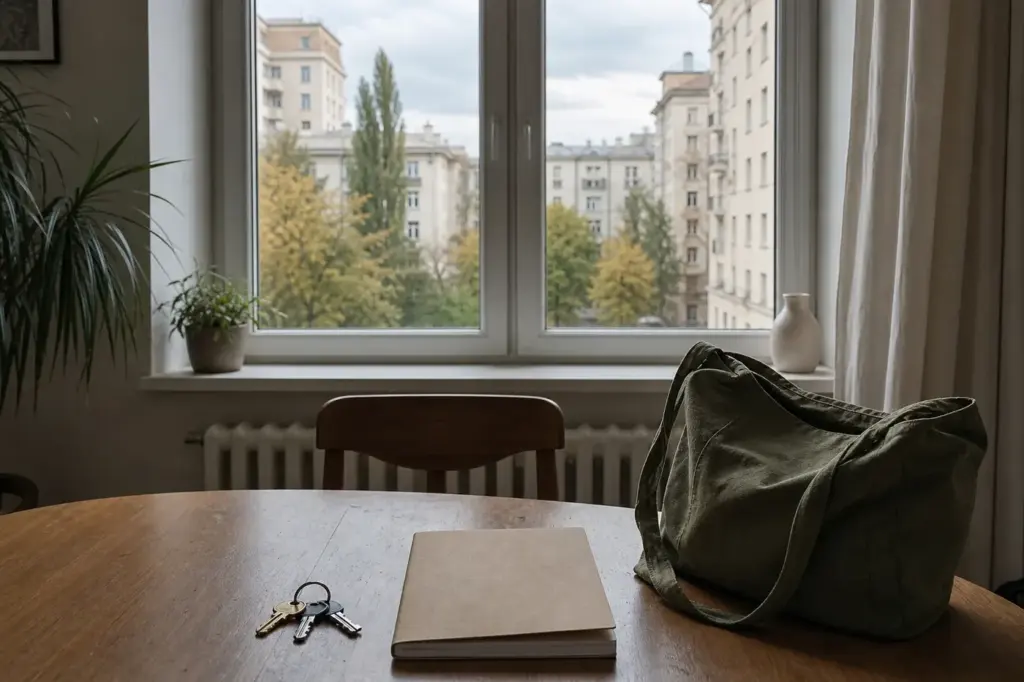
The cost of living in Moscow depends on the flat you choose, the journeys you make and the services your household needs. This guide covers 12 budget categories for a move or extended stay. Start with rent and the costs due before you collect the keys. Then build an ordinary month around the bills, shopping and transport you expect to use. Keep occasional expenses such as document translations and winter clothing on a separate line.
The practical guidance reflects information available as of November 2026. Confirm current transport options with Moscow Transport, city services through Moscow’s official portal, and registration requirements with the Russian Ministry of Internal Affairs. Service terms and eligibility can change. Use current quotes for the address and arrangements you are considering. This is general information, not legal or financial advice.
At a Glance
| # | Place | Best for | Good to know |
|---|---|---|---|
| 1 | Rent | Compare the full offer | Compare current offers for similar flats and ask for the recurring charges in writing. |
| 2 | Deposit, Agent Fees and Moving In | Budget for the keys | Request a payment schedule with the amount due, recipient and purpose of each item. |
| 3 | Utilities and Building Charges | Read the actual bills | Get recent bills for the exact address and confirm which charges the owner expects you to pay. |
| 4 | Groceries and Household Supplies | Price your own basket | Make a repeat shopping list and compare it using current prices at the shops or services you expect to use. |
| 5 | Public Transport and Taxis | Count the real journeys | Use the current Moscow Transport fare information and count journeys for each household member. |
| 6 | Mobile Data and Home Internet | Separate setup and service | Ask the building’s provider for the installation and equipment terms, and check mobile requirements with the operator. |
| 7 | Healthcare, Insurance and Medicines | Check what coverage includes | Ask the insurer or provider which clinics you can use and what you would pay directly. |
| 8 | Childcare, School and Activities | Map the family routine | Confirm admission and start dates before using an institution’s terms in your household budget. |
| 9 | Registration and Document Preparation | Allow for one-off paperwork | Confirm current requirements with the Russian Ministry of Internal Affairs or the office handling the particular document. |
| 10 | Clothing and Winter Setup | Plan seasonal purchases | List the items the household genuinely needs before the weather changes and compare current offers. |
| 11 | Eating Out, Culture and Recreation | Budget for real habits | Use venue and city listings to verify admission or booking arrangements for the activities you plan. |
| 12 | Contingency Funds and Payment Access | Prepare for uneven months | Decide which essential expenses need a backup payment method and keep reserve funds accessible for those uses. |
How We Chose
The categories are ordered around the decisions that affect a household budget before and after a move. Each starts with the expense you can estimate from a specific offer, bill or routine.
- Upfront funds. Record what is due before you move and which deposits may be returned.
- Recurring commitments. List rent, subscriptions and other expenses with regular due dates.
- Use-based spending. Estimate groceries, travel and services from the routine you expect to follow.
- Occasional expenses. Put paperwork, winter purchases and repairs in the month when they are likely to fall due.
1. Rent – Compare the full offer
Start with comparable rental offers for your move-in date. Match the number of rooms, furnishings, lease length and access to the station or bus stop you would use. Read what is included in rent and ask whether any advertised terms depend on a particular lease period. Put the flat’s address and your usual destination side by side. A lower rent can come with extra travel or household expenses that belong in the same comparison.
Good to know: Compare current offers for similar flats and ask for the recurring charges in writing.
Tip: Check the floor plan. A one-room listing typically describes one main room, which may need to serve as both bedroom and living room.
2. Deposit, Agent Fees and Moving In – Budget for the keys
List the payments due before or at handover. These can include advance rent, a security payment and an agent’s charge if you have agreed to pay one. Allow separately for temporary accommodation, luggage transport and household items missing from the flat. Record the refund terms for any deposit and the date you expect it back. For cash-flow planning, treat it as money you need to have available at move-in.
Relying on the phone all day? A power bank may be worth having.
Good to know: Request a payment schedule with the amount due, recipient and purpose of each item.
Tip: Check whether the first rent payment covers a full rental period or only the days until the next due date.
3. Utilities and Building Charges – Read the actual bills
Ask to see recent statements for the flat. Some Moscow properties use a Unified Payment Document, known as an EPD, to combine several housing and utility charges. Other items may arrive on separate statements. Check the tenancy agreement against those bills and identify who pays for measured consumption, recurring services and any building charges assigned to the tenant. If a statement spans your move, use the handover readings to discuss the split.
Good to know: Get recent bills for the exact address and confirm which charges the owner expects you to pay.
Tip: Ask for statements from different seasons if you want to see how the building actually bills heating and other utilities.
4. Groceries and Household Supplies – Price your own basket
Build an estimate from what you buy in a normal week, including ingredients, drinks, cleaning products and items such as detergent or toiletries. Use the shops you could actually visit from the flat or the delivery area serving it. Check pack sizes before comparing offers. In the first month, allow for pantry staples and cleaning supplies that last longer than a week but still need to be bought at the start.
Busy rides ahead? A card holder could be useful on the way.
Good to know: Make a repeat shopping list and compare it using current prices at the shops or services you expect to use.
Tip: Record the first pantry shop separately so it does not inflate your estimate for every subsequent week.
5. Public Transport and Taxis – Count the real journeys
Map a normal week of commuting, school trips and errands. Moscow Transport publishes options for the Troika card, including travel on the Metro and eligible surface and rail services. For Moscow Central Diameters routes, check the relevant fare zone for the actual stations. Compare the purchase options against your expected journeys. Add taxis separately if you take them after late shifts, with bulky luggage or for trips that are awkward by public transport.
Good to know: Use the current Moscow Transport fare information and count journeys for each household member.
Tip: Check the route home from any regular late appointment before deciding whether your public transport budget covers it.
6. Mobile Data and Home Internet – Separate setup and service
Check whether the flat already has internet and whose account it uses. For a new service, ask the provider about coverage, installation, equipment and the recurring plan. A travel eSIM can cover initial data needs. If you need a Russian mobile number, check the operator’s identification requirements for foreign nationals and allow time for the process. Distinguish mobile data used during the move from the plan you will rely on afterwards.
Good to know: Ask the building’s provider for the installation and equipment terms, and check mobile requirements with the operator.
Tip: Find out whether a router is included, rented or purchased, and who must return it when service ends.
7. Healthcare, Insurance and Medicines – Check what coverage includes
Confirm which healthcare arrangements apply to your status and what an employer or insurer will provide. If you are considering compulsory medical insurance, check eligibility and clinic registration with the Moscow city service or the relevant insurer. Where you expect to pay directly, request current information for the appointments or care you use. Allow for ongoing prescriptions, dental care and any services that would fall outside the coverage you confirm.
Good to know: Ask the insurer or provider which clinics you can use and what you would pay directly.
Tip: If you use regular medication, check availability and the prescription requirements before putting it into your budget.
8. Childcare, School and Activities – Map the family routine
Make a separate line for each child’s education and care. Check enrolment and fees with the institution your child would actually attend, and ask what the arrangement includes. Allow for meals, supplies, required clothing, after-school care and the journey to and from the site where they apply. If a care place is available only from a later date, budget for the arrangement you will use in the meantime.
Travelling with children? Coloring books could make things easier.
Good to know: Confirm admission and start dates before using an institution’s terms in your household budget.
Tip: Check school holiday arrangements if both adults work and you expect to need care during breaks.
9. Registration and Document Preparation – Allow for one-off paperwork
List the documents you need for your move and establish who handles each filing. Migration registration, where required, follows the procedure for your status and accommodation. Check the arrangements with the responsible authority and receiving party before paying for preparation. Other tasks may involve certified Russian translations, a notary or delivery of originals. Track those items separately so you can see what is required at arrival and what can wait.
Good to know: Confirm current requirements with the Russian Ministry of Internal Affairs or the office handling the particular document.
Tip: Ask whether the recipient accepts an existing certified translation before ordering another.
10. Clothing and Winter Setup – Plan seasonal purchases
Make an inventory of what you already own before buying for winter. Think about the time you will spend outdoors at crossings, walking to transport or taking children to school. Put essential footwear, outerwear and any household items you need into the relevant month. Check what the flat already provides before buying extra bedding or equipment. Keep these purchases distinct from the cost of replacing everyday clothing.
Long journey ahead? A hand sanitizer may make the trip a little easier.
Good to know: List the items the household genuinely needs before the weather changes and compare current offers.
Tip: Check whether the flat has a place to dry wet shoes and outerwear before buying storage or drying equipment.
11. Eating Out, Culture and Recreation – Budget for real habits
Separate workday lunches and convenience meals from social outings, exercise and cultural visits. Decide how often you expect to use each. Moscow’s culture department publishes participating institutions and arrangements for Moscow Museum Week, which can include free visits. Check the current terms for the specific museum before counting on free entry. For a gym, class or venue you will use regularly, confirm what is included and how the subscription renews.
Good to know: Use venue and city listings to verify admission or booking arrangements for the activities you plan.
Tip: Compare a recurring gym or class commitment with the days you can realistically attend from your chosen address.
12. Contingency Funds and Payment Access – Prepare for uneven months
Keep room in the budget for a repair, replacement appliance, unexpected trip or overlap between two places to stay. Think about how you would pay if one payment method stopped working. Foreign-issued cards on networks such as Visa and Mastercard do not work for purchases or cash withdrawals in Russia. Plan for cash and locally supported payment methods. Check your own country’s rules before using Russian financial services.
Good to know: Decide which essential expenses need a backup payment method and keep reserve funds accessible for those uses.
Tip: Base the reserve on specific costs you might need to cover, such as several extra accommodation nights or replacement travel.
Moscow Vibes Tips
- Keep a move-in budget and an ordinary-month budget side by side. Then mark the months when you expect an insurance renewal, school expense or similar occasional payment.
- Give each estimate a status such as confirmed, quoted or assumed. Replace assumed figures with actual statements as they arrive.
- Compare two realistic addresses using the same household routine. Include the commute and the shops you could reach on a working day.
- Record which expenses are shared and which are per person. Transport and activities can rise with the size of the household even when rent stays the same.
- Keep provider notices and renewal dates together so you can check the budget again before commitments change.
Keep reading
Related guides



Places to see



FAQ
What should I budget for before I have a permanent flat?
Budget for temporary accommodation, meals without your usual kitchen setup, travel to viewings and storage if your luggage arrives before you can move in. Ask when you can cancel or extend the temporary booking. If the dates are uncertain, allow for some overlap between the booking and the start of your lease.
Can I estimate a couple’s budget by doubling a single person’s?
Work through the items individually. A couple can share rent, internet and many household supplies, while each person may need transport, a mobile plan and healthcare cover. Compare the layout you would actually rent and the destinations each person needs to reach. That gives a better estimate of the shared and individual costs.
What should I check if an employer includes housing or transport?
Ask what it provides, when the arrangement starts and whether any costs come out of your pay. For housing, confirm the location, included bills and what happens if you leave the job. For transport, check which trips the benefit covers and what it means for shifts or days when you work elsewhere.
Does a weekday commute estimate cover all my transport spending?
Add the trips you make outside work or study, including shopping, school runs and weekend visits. If your office schedule varies, estimate a normal week and a busier one. Check the actual stations and zones for each route, especially if only some of your journeys use suburban rail.
How can I compare a furnished flat with an unfurnished one?
Ask for an inventory and check which included items you would actually use. For an unfurnished flat, estimate the cost of bringing in furniture, having it delivered and removing it at the end if needed. Spread that expense across the tenancy you expect, while keeping the full amount due at move-in visible in your cash plan.
How should I budget when I will be away from Moscow for part of the month?
List the bills that continue while you are away, such as rent, internet or agreed building charges. Ask any providers with usage-based billing how to report readings during the absence. Then estimate the expenses that will fall, such as groceries and commuting. Include any travel or accommodation you will pay for elsewhere.
What if most of my income comes from outside Russia?
Before relying on that income for rent or other fixed bills, ask the sending and receiving institutions whether the intended payment route is available for your circumstances. Establish when funds can arrive and which records you should keep. Make sure essential payments can still be made if the transfer takes longer than expected.
When should I revise my Moscow budget after moving?
Update the estimate once you have a complete billing cycle and have followed your normal travel and shopping routine. Remove charges that applied only during the move, then add any recurring amounts you missed. Check again when the season, housing, work schedule or household changes in a way that affects your actual expenses.
Discover More of Moscow with Our Travel Tips
Get practical Moscow travel tips, new destination guides and useful updates on attractions, opening hours and prices. Plan your visit with clear, helpful information delivered to your inbox.
Moscow Vibes is a one-person project. A coffee keeps it going
More in this section: Living in Moscow
Get a free PDF of this guide to print or read offline: key facts, tips and a map link on a few clean pages.
Take this guide with you
About this page
Report an issue on this page
Paying for your trip: please read
Payments and bookings between Russia and many other countries are currently restricted. In practice, cards issued in the EU, the UK, the US and several other countries often cannot be used in Russia, Russian cards usually cannot be used abroad, and some booking platforms, airlines and payment providers limit or pause their services for Russia. The situation changes frequently.
We do not give legal or financial advice, and this site does not encourage anyone to break any rule that applies to them. Whatever you plan, you are responsible for following the laws and regulations that apply to you, including those of your country of residence and citizenship.
Many travelers still organise their stay without problems. It is worth asking your bank or payment provider what is currently possible, contacting hotels, tour operators and carriers directly about the payment methods they accept, and checking which services are open to customers from your country. Clarify payment, cancellation and refund terms before you commit to a booking, and keep your plans flexible.
Partner links on this site may not be available in every country, and prices, availability and rules in our guides can differ from what you see when you book.
How we research and update our guides
About this guide: AI assistance and accuracy
This guide is created with the help of AI and is based on official sources where available. Mistakes can still happen. Opening hours, prices, rules and other details are given to the best of our knowledge as of the date shown and can change without notice. It offers general recommendations only, not professional, legal or travel advice. Please confirm important details with the official source before you travel; you are responsible for your own plans and decisions.
* Affiliate link: as an Amazon Associate we earn from qualifying purchases at no extra cost to you.